If you want to avoid running over budget on your next website project, take heed.
May 29, 2024
Website budgets rarely get derailed by one single decision. More often, costs creep up through unclear scope, slow decisions, missed assumptions and changes that are not properly assessed before they are added to the project.
A good website project needs room for discovery and sensible adjustment, but it also needs structure. The clearer the plan, the easier it is to protect the budget and keep the final result aligned with the business goal.
Here are seven common reasons website budgets increase, and how to keep them under control.
1. Letting scope creep build up
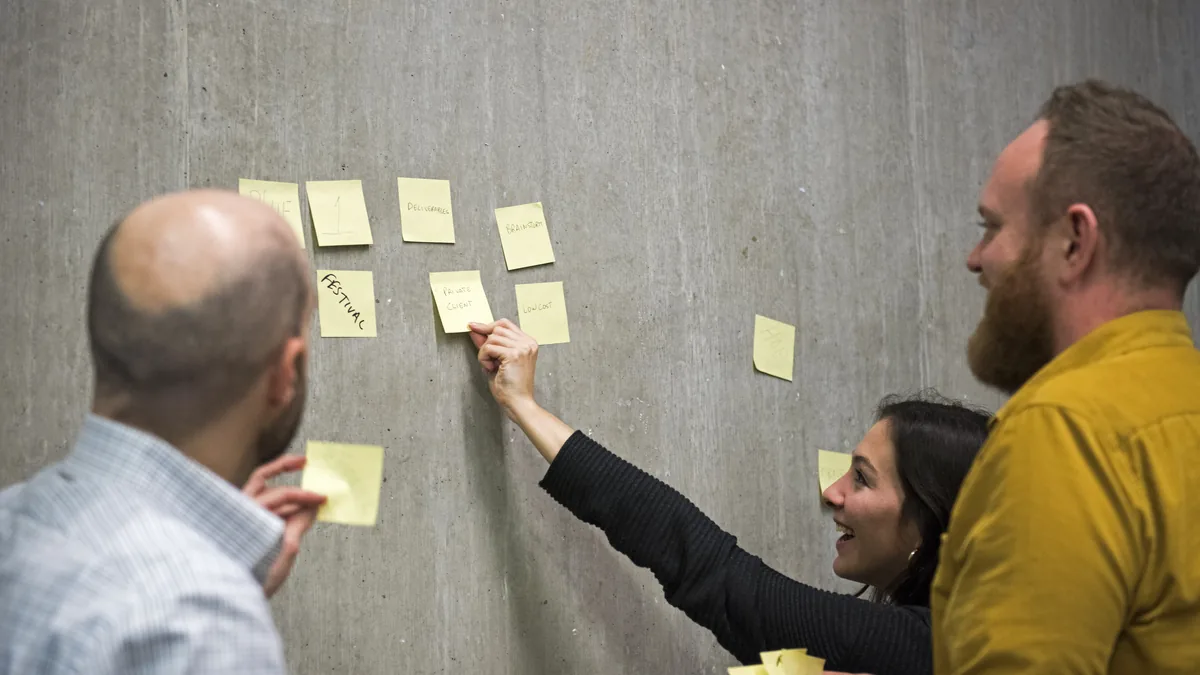
Scope creep happens when a project quietly grows beyond what was originally agreed. A few extra sections, another form, more integrations or a new content requirement can all seem small on their own, but together they can add real time and cost.
The best way to avoid this is to define the scope clearly at the start. The project should outline key deliverables, functionality, content responsibilities and approval stages before design or development begins.
That does not mean nothing can change. It means changes should be discussed properly, costed where needed and understood before they are added to the plan.
2. Starting with an unrealistic budget
It is easy to underestimate the cost of a website, especially when the project includes more than a standard marketing site. A bespoke website with custom CRM features, e-commerce, integrations, animation and website hosting needs a different budget from a simple brochure site.
Design and development are not the only costs to consider. Content, photography, plugins, licences, maintenance, hosting, accessibility, testing and future scalability can all affect the final figure.
Before committing to a website design project, talk through what the site needs to do now and what it may need to support later. A realistic budget makes better decisions possible from the beginning.
3. Slow feedback and delayed decisions
Website projects rely on timely decisions. When feedback takes longer than expected, the schedule can stretch and the team may need to revisit work that had already been planned around earlier assumptions.
Delays can also create pressure later in the project, when design, development, content and launch tasks all need to happen closer together.
Agreeing feedback windows in advance helps everyone plan properly. It also makes it easier for stakeholders to know when their input is needed and what kind of feedback will be most useful.
4. Moving key meetings too often
Meetings are not needed for every small decision, but the right meetings keep a project aligned. Discovery sessions, review meetings and sign-off points help clarify requirements before they become expensive to change.
When key meetings are repeatedly moved, decisions can become fragmented. That increases the chance of misunderstandings, duplicated work or late changes.
Protecting key project dates helps protect the budget. It keeps the team aligned and gives important decisions the attention they need at the right time.
5. Changing direction mid-project
New ideas can be valuable, but a major direction change after design or development has started can have a significant impact on cost and timescale.
This often happens when feedback arrives late, new stakeholders enter the process or the original brief was not clear enough. The project then needs to absorb decisions that would have been easier to make earlier.
If a change is important, it should be assessed against the original objectives, budget and launch timeline. Sometimes the right answer is to make the change now. Sometimes it is better to plan it as a future phase.
6. Trying to do everything at once
Ambition is useful, but not every idea needs to be included in the first launch. Trying to build every possible feature at once can make the project harder to manage and more expensive than it needs to be.
A phased approach often gives better value. It allows the project to focus on the features that matter most now, then build on that foundation once the site is live and there is more evidence about what users actually need.
The aim is not to reduce ambition. It is to organise it in a way that protects momentum, budget and quality.
7. Planning without a proper system
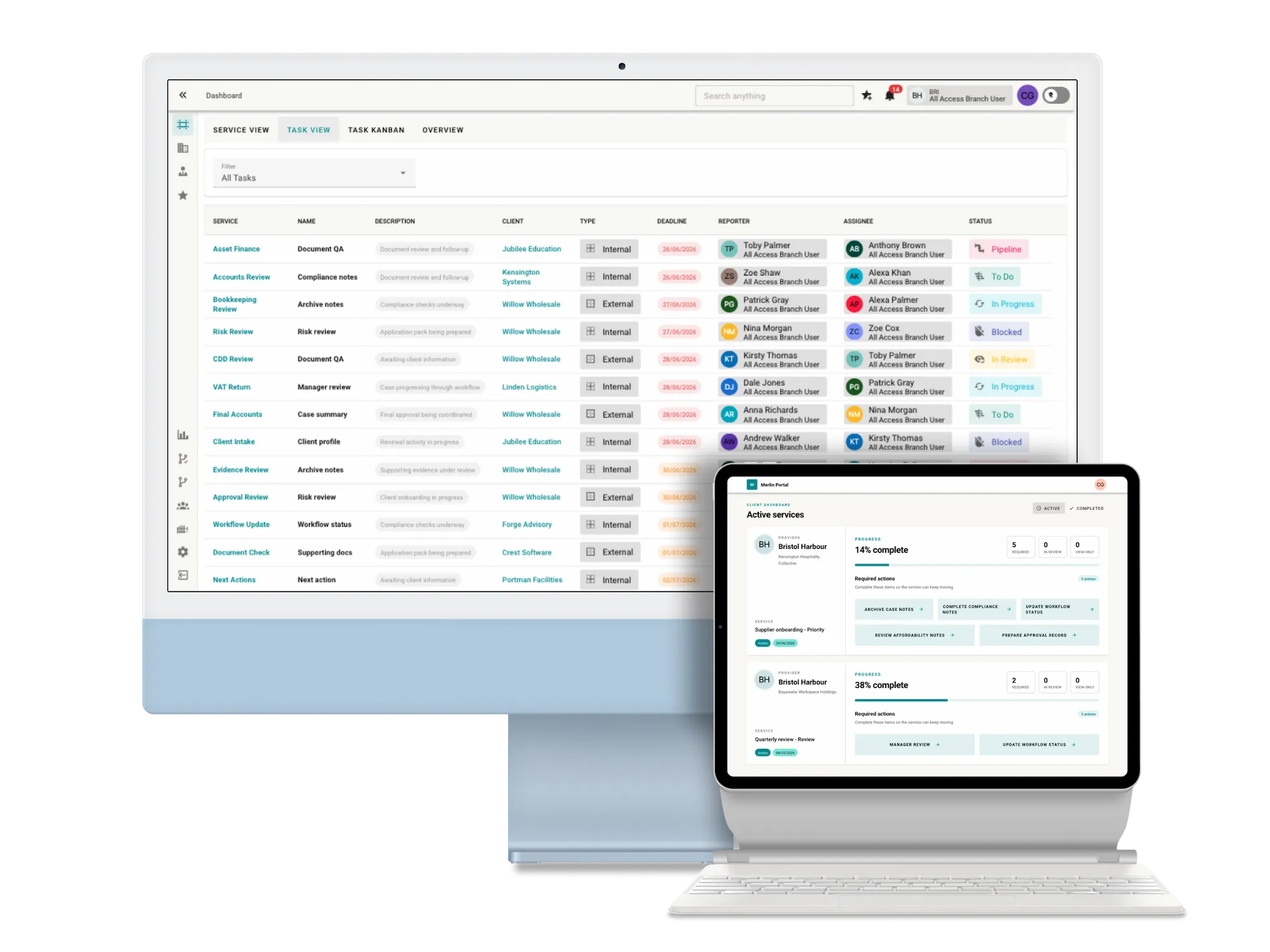
Website projects have a lot of moving parts: tasks, responsibilities, deadlines, feedback, assets, content, technical requirements and launch checks. If those details only live in scattered emails, notes or conversations, things are easier to miss.
A proper project management system gives everyone a clearer view of what is happening, what is blocked and what needs attention next.
Good planning does not need to be complicated, but it does need to be visible. That visibility reduces surprises and helps the project stay within the agreed scope.
A better budget starts with clearer decisions
Keeping a website project on budget is not about cutting corners. It is about making informed decisions, agreeing scope clearly and understanding the impact of changes before they happen.
With the right brief, timeline, feedback process and project structure, your website is far more likely to launch with the quality you need and the budget you expected.
On the hunt for a good agency?
Get in contact with us today to see how Weird Wolf Agency can help you, we will be listening out for your howl...