

API integrations that connect websites, CRMs, applications and third-party platforms so data can move reliably between the tools you rely on.
API integrations that join the dots
Most organisations rely on more than one platform. When those tools do not share information properly, teams end up copying data, checking spreadsheets and fixing avoidable mistakes.
API integrations connect the systems that matter, helping data move between websites, CRMs, applications and third-party services in a more reliable way.
Why connected systems matter
API integrations help remove manual handovers and make important systems work together with less friction.
They can support CRM integration, data synchronisation, workflow automation, reporting and custom API development where existing tools need to share information.
Systems need to talk to each other
Websites, CRMs, finance tools, booking platforms and applications often need to share information.
Duplicate data creates risk
Manual copying can lead to missed updates, inconsistent records and avoidable admin.
Exports waste time
Automated data movement can reduce the need for repeated CSV exports, uploads and checks.
Customer journeys cross platforms
Forms, payments, bookings and accounts often need to pass information between multiple systems.
Reporting needs reliable data
Better connections can make data easier to trust, compare and act on.
Growth needs flexible connections
As tools change, a considered integration approach makes future connections easier to manage.
How we plan and build API integrations
We start by understanding the systems involved, the data that needs to move and the operational reason behind the connection.
From there, we plan, build and support integrations with attention on reliability, error handling and practical use.
Integration scoping
We define the systems, data, triggers, permissions and outcomes the integration needs to support.
API review
Documentation, authentication, limits and available endpoints are checked before build decisions are made.
Data mapping
Fields, formats and rules are planned so information moves cleanly between platforms.
Integration build
The connection is developed around the agreed workflow, data handling and failure states.
Monitoring and handover
We consider logging, support needs and how the integration should be managed after launch.
What API integration work can include
We build integrations that support real workflows rather than connecting systems for the sake of it.
CRM and platform integrations
Connections between websites, CRMs, marketing tools, finance systems and operational platforms.
Data sync and automation
Automated movement of useful data between systems to reduce repeated admin.
Custom API development
Integration endpoints and application features built around specific data and workflow needs.
Why choose Weird Wolf for API integrations
We approach integrations as part of the wider product and business workflow, not as isolated technical tasks.
Practical technical planning
We look at the workflow, data and support needs before deciding how the integration should work.
Built around real use
Connections are shaped around the teams and systems that will rely on them every day.
Clear support route
We consider logging, errors and future changes so the integration is easier to support.
Related API integration work
Application and website work shaped around better data movement, clearer workflows and connected systems.
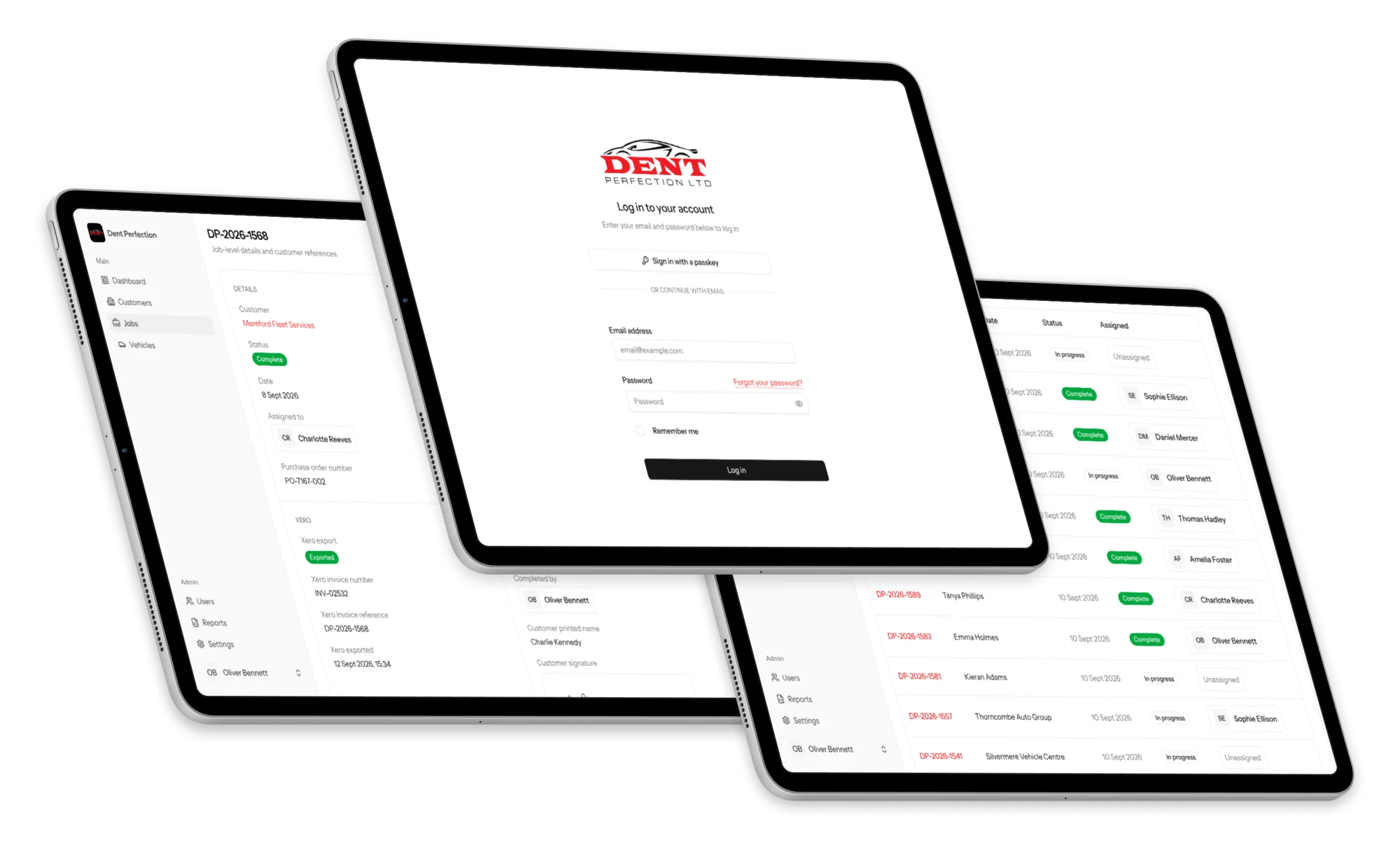
Dent Perfection Ltd
From paper job sheets to Xero in six weeks
A bespoke Laravel job management system for Dent Perfection, bringing customers, vehicles, tablet job sheets, Xero invoicing and financial reporting together in six weeks.
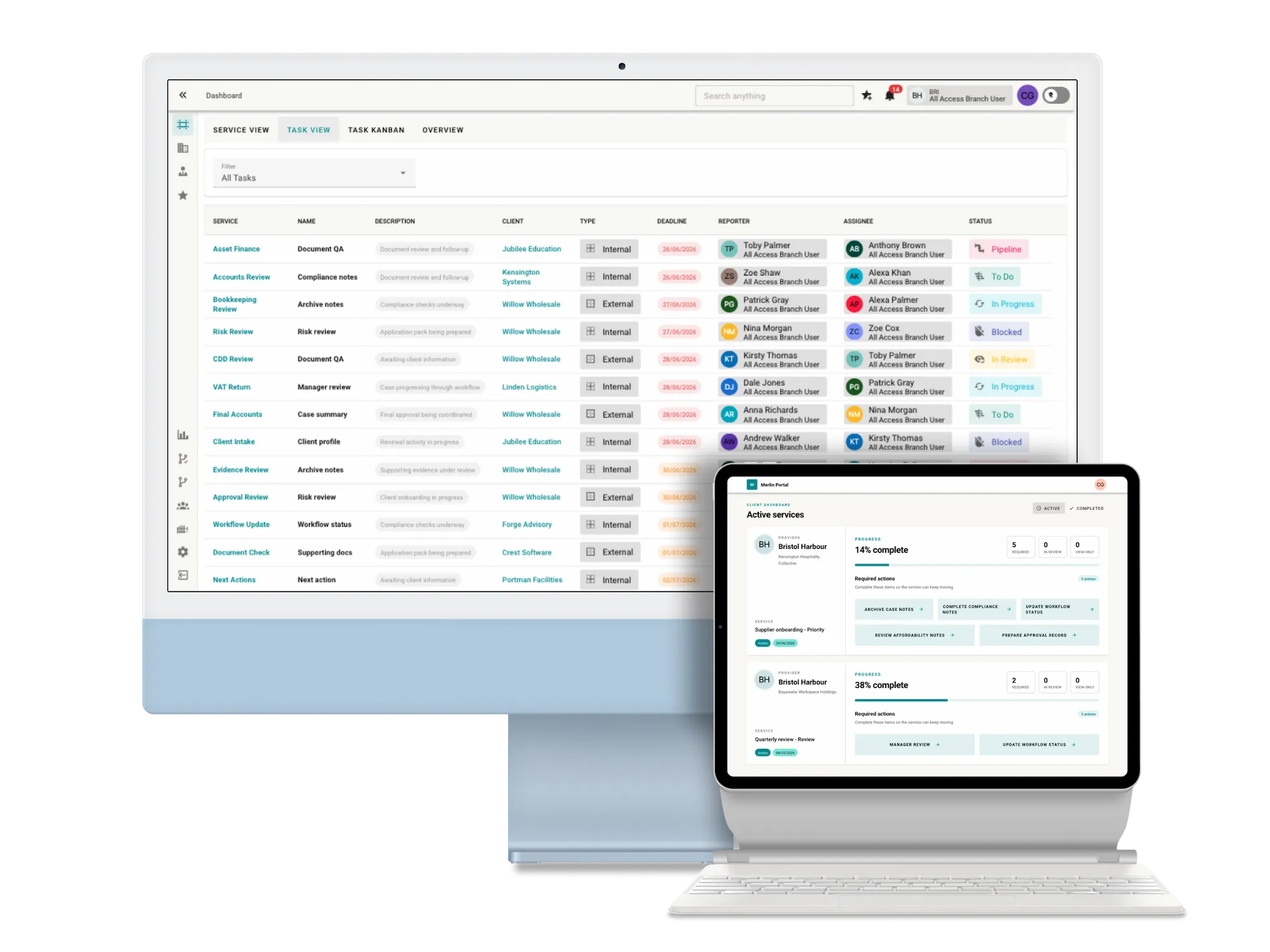
White Label Resources
A bespoke process management system for controlled workflows
For White Label Resources, we built a custom Laravel process management system that turns configurable workflows into team-specific services, tasks, contact portal actions and generated documents.